Fox Headis: A Playful Display Font for Captivating Design Projects
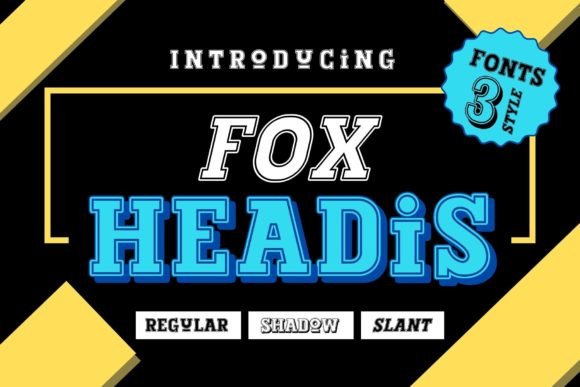
Fonts play a crucial role in design, shaping how messages are perceived and experienced by the audience. Choosing the right typeface can elevate a project from ordinary to extraordinary. One such font that stands out with its vibrant energy and unique personality is Fox Headis. As a 3-style display font family, Fox Headis combines cool aesthetics with playful charm, making it ideal for headlines, logos, menus, product labels, t-shirts, and other creative applications where visual impact matters most.
Understanding the Role of Fox Headis in Your Design Workflow
Display fonts like Fox Headis are typically used when you want to make a strong first impression. They’re not suited for long-form text but shine in short, attention-grabbing phrases. In your broader design process—whether you're creating a brand identity, designing marketing materials, or producing digital content—Fox Headis can serve as a powerful tool to enhance visual storytelling and reinforce your message’s tone.
Before diving into a project, it's important to consider the context and purpose of your design. Ask yourself: What emotions do I want to evoke? Who is my target audience? Will this be seen in print or on screen? These questions help determine if a bold, expressive font like Fox Headis fits your needs. Once you've decided on using it, integrate it early in your workflow to guide the overall aesthetic direction of your work.
How to Use Fox Headis Effectively
Using Fox Headis involves more than just selecting it from a list of available fonts. To maximize its potential, plan its integration carefully:
- Project Planning: During the initial concept phase, decide where Fox Headis will add value. It works best for titles, taglines, or any element that requires visual emphasis.
- Design Execution: When working in graphic design software like Adobe Illustrator or Photoshop, apply Fox Headis to key elements after establishing layout and color schemes. This ensures it complements rather than competes with other design components.
- Final Touches: After the main structure is complete, use Fox Headis creatively in areas like buttons, banners, or social media posts to inject dynamism and uniqueness.
Its versatility across different mediums—from digital ads to printed merchandise—makes it a valuable asset in both personal and professional workflows. For instance, small business owners might use it for logo design or packaging, while bloggers could feature it in article headers to boost engagement.
Integration with Other Tools and Resources
Fox Headis isn’t a standalone solution; it thrives when paired with thoughtful design practices and complementary tools. Here’s how it interacts within a larger creative ecosystem:
- Graphic Design Software: Fox Headis integrates seamlessly with industry-standard tools like Canva, Figma, and InDesign. Ensure you have the font installed locally or uploaded to the platform for smooth access.
- Color Theory: The expressive nature of Fox Headis means it pairs well with contrasting colors. Consider using deep blacks or bright neon shades to highlight its standout characteristics.
- Image Composition: When using it in images, layer it thoughtfully. Add subtle effects like drop shadows or outlines to ensure legibility and visual appeal, especially over busy backgrounds.
- Typography Pairing: For balanced layouts, pair Fox Headis with a clean sans-serif or serif body font. This contrast helps maintain readability while keeping the design engaging.
Additionally, Fox Headis can be combined with vector graphics or illustrations to create cohesive branding assets. Its stylized letterforms offer ample opportunity for customization, such as adjusting spacing, adding gradients, or integrating with hand-drawn elements for a more organic feel.
Practical Implementation Tips for Using Fox Headis
To implement Fox Headis effectively, keep these practical tips in mind:
- Use Sparingly: Apply it only where needed to avoid overwhelming the viewer. Limit its use to headlines or accent text to preserve hierarchy and clarity.
- Test Legibility: Because of its decorative style, always test how readable it is at various sizes and distances. This is especially important for outdoor signage or mobile displays.
- Consider Licensing: Before finalizing a project, verify the font license to ensure it covers your intended use cases, including commercial projects or large-scale printing.
- Stay Consistent: If you choose to use multiple styles from the Fox Headis family (such as Fox Headis Regular, Bold, or Outline), maintain consistency in their application throughout the design.
A real-world example of implementation might look like this: A local coffee shop owner wants to redesign their menu board. They start by sketching the layout in Adobe Illustrator, then add Fox Headis to the headings and special offers. Next, they pair it with a minimalist sans-serif for pricing and descriptions. Finally, they export the design for printing and review the output for quality and alignment.
Workflow Examples and Use Cases
Here are a few scenarios where Fox Headis can enhance your workflow:
1. Brand Identity Development
When building a brand identity, typography is one of the foundational elements. Entrepreneurs and marketers can use Fox Headis as the primary font for logos or taglines, especially if the brand personality is youthful, bold, or artistic. This choice reinforces brand recognition through consistent visual language.
2. Event Promotion Materials
For event posters, flyers, or invitations, Fox Headis adds an energetic vibe. Designers often combine it with high-contrast colors and dynamic imagery to create a sense of excitement. This approach helps attract attention and convey the event's theme effectively.
3. Social Media Content Creation
Blogs, influencers, and businesses frequently rely on eye-catching visuals for their social media presence. By incorporating Fox Headis into Instagram stories, Facebook banners, or Twitter headers, they can stand out in crowded feeds without compromising brand voice.
4. Merchandise and Product Packaging
Fox Headis is also a great fit for apparel and product packaging. Whether it's a slogan on a t-shirt or a label on a handmade soap, the font’s character brings a touch of creativity and memorability. Printers should check compatibility and resolution settings to ensure crisp output.
Factors to Consider When Using Fox Headis
While Fox Headis is a powerful tool, several factors influence how successfully it can be implemented:
- Preparation: Define your design goals before selecting the font. Know whether you need a bold statement or a subtle enhancement.
- Compatibility: Confirm that the font works well with your chosen software and platforms. Some display fonts may not render perfectly in all environments.
- Usability: Prioritize usability over aesthetics. Even the most stylish font won’t succeed if it’s hard to read or inappropriate for the context.
- Organization: Keep track of which files and projects use Fox Headis. Maintain a naming convention or folder system to streamline future edits and updates.
- Efficiency: Avoid overcomplicating designs. Use the font strategically to reduce decision fatigue and speed up the creative process.
- Consistency: Reuse the same font styles across related projects to build a cohesive visual identity and strengthen brand recall.
- Quality Control: Always preview the final output on the intended medium. Adjust kerning, leading, and sizing to ensure it looks polished and professional.
- Long-Term Use: Evaluate if Fox Headis aligns with your long-term branding strategy. While trendy, it should still reflect your core values and remain relevant over time.
By considering these aspects during planning and execution, you can ensure that Fox Headis contributes positively to your design outcomes rather than becoming a distraction.
Enhancing Creativity and Communication with Fox Headis
The right font can significantly influence how your message is received. Fox Headis, with its playful yet impactful style, allows creators to express personality and enthusiasm. Educators, for example, might use it in workshop promotional materials to engage students. Bloggers could leverage it in newsletter headers to grab readers’ attention quickly.
What sets Fox Headis apart is its ability to adapt to various tones. Whether you're going for whimsical, edgy, or fun, each style in the font family offers a slightly different mood. This flexibility makes it suitable for diverse audiences and purposes, from children’s book covers to startup pitch decks.
Moreover, because it’s part of a three-style set, you can experiment with variations to find the perfect match for your project. This exploration can become part of your creative process, helping you refine your vision and improve your design decisions over time.
Conclusion
Incorporating Fox Headis into your design workflow doesn't require a complete overhaul—it simply demands intentionality. Understand its strengths, apply it where it adds value, and balance it with other design elements for optimal results. Whether you're crafting a logo, designing a poster, or enhancing digital content, this font offers a fresh way to communicate with your audience.
As with any resource, the effectiveness of Fox Headis depends on how well it aligns with your overall strategy. Take time to evaluate its place in your process, and you’ll likely find it becomes a go-to option for making your work visually compelling and memorable.