Jackly Western: A Vintage Font for Authentic Design
Vintage fonts have a unique ability to transport viewers to another time, evoking nostalgia and authenticity in design. Among the many display fonts available today, Jackly Western stands out for its distinctive character and classic charm. This vintage western display font is crafted with attention to detail, making it a valuable asset for designers, entrepreneurs, and content creators who want to add a touch of old-time appeal to their projects.
Elevating Branding Projects with Classic Style
In branding, the right typography can make all the difference. Jackly Western brings a sense of rugged individuality and timeless elegance that's perfect for businesses aiming to create a memorable identity. Whether you're designing a logo for a new café, a line of handmade boots, or a rustic-themed boutique, this font helps you communicate your brand’s personality with clarity and flair.
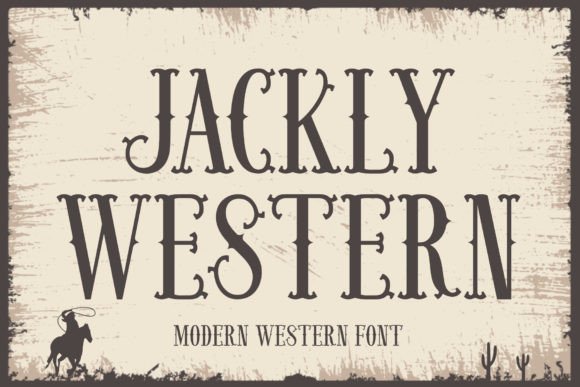
Its embellished letterforms mimic the handcrafted look of typewritten signs from the American frontier era. For instance, a small-town coffee shop named "Dusty Bean" could use Jackly Western in their logo to instantly convey warmth, tradition, and a welcoming vibe. The font doesn’t just look good—it tells a story, which is essential for building emotional connections with customers.
Who Can Benefit Most?
- Entrepreneurs: Those launching niche brands that lean into Americana or heritage themes will find Jackly Western aligns perfectly with their visual goals.
- Graphic Designers: Professionals looking to expand their typographic palette with a font that adds texture and character without being overused.
- Small Business Owners: Anyone needing a quick yet impactful way to enhance signage, packaging, or promotional materials.
- Bloggers and Publishers: Individuals crafting content around history, travel, or lifestyle topics where a vintage aesthetic enhances readability and engagement.
Typography Design That Feels Handmade
Display fonts are often chosen for their boldness and legibility at large sizes, but Jackly Western goes beyond that by offering an artistic edge. The subtle serifs and ornate flourishes on each letter evoke the spirit of the Old West—think saloon signs, cowboy posters, and newspaper headlines from the 19th century. These details make the font feel authentic and not just a digital copycat of historical typefaces.
This level of craftsmanship is especially useful in editorial design. If you’re working on a magazine spread about frontier life or a book cover for a historical novel, using Jackly Western as the header font can set the tone immediately. It doesn’t demand attention through loud colors or oversized text; instead, it commands respect through its design language.
Real-World Use Cases
- Magazine Headers: Use Jackly Western for feature titles or pull quotes in publications focused on travel, history, or Americana. Its vintage flair complements photography and layout styles that aim to tell a story.
- Product Packaging Names: Think whiskey labels, leather goods, or artisanal food products. The font adds a layer of sophistication while keeping things grounded in tradition.
- T-Shirt Lettering Designs: For apparel lines that celebrate western culture or retro aesthetics, Jackly Western provides a stylish yet readable option that looks great in both screen-printed and embroidered formats.
Improving Communication Through Visual Cues
Fonts do more than just present words—they influence how those words are perceived. Jackly Western uses its vintage style to signal quality, heritage, and authenticity. When applied correctly, it supports clear communication by aligning the message with the visual theme.
Consider a product like hand-tooled saddles or vintage-style belt buckles. Using Jackly Western in promotional materials helps reinforce the idea that these items are made with care and tradition. The font becomes part of the brand narrative, helping consumers understand the value before they even read the description.
When to Consider Alternatives
While Jackly Western is incredibly versatile, it's not always the best choice. As a display font, it works best in larger sizes and should be avoided in body text or situations requiring high legibility at smaller scales. For multi-language projects or designs needing formal tone, other modern sans-serif or serif fonts might be more appropriate. Always consider the context and audience before choosing typography.
Streamlining Creative Decisions with a Cohesive Look
Designers often spend hours selecting the perfect font for a project. With Jackly Western, the decision-making process can be simplified when the goal is to achieve a western or vintage aesthetic. The font’s consistent embellishment across letters ensures a cohesive look, reducing the need to adjust spacing or styling manually.
For example, if you're creating a flyer for a rodeo event, Jackly Western can serve as the headline font while complementary clean fonts handle the supporting text. This contrast highlights important information and maintains readability throughout the design. The result is a visually balanced piece that feels intentional and professional.
Efficiency Meets Creativity
Freelancers and hobbyists who work on tight deadlines will appreciate how quickly Jackly Western can transform a design. Instead of experimenting with multiple fonts to find the right mood, users can confidently apply Jackly Western knowing it delivers the desired effect. This efficiency allows more time to focus on other elements of the creative process.
Enhancing Website Headers with Character
Websites rely heavily on headers to guide navigation and highlight key sections. In web design, Jackly Western offers a compelling alternative to standard sans-serif choices. It adds depth and character without overwhelming the user experience, provided it’s used thoughtfully.
Imagine a website for a family-owned winery in Napa Valley. Using Jackly Western for section headers like “Our Story” or “Tasting Room” can give the site a warm, inviting feel that resonates with visitors. Pair it with softer background tones and earthy textures, and the overall design becomes immersive and memorable.
Best Practices for Web Use
- Limit its use to headers and decorative elements to avoid readability issues.
- Ensure sufficient contrast between the font color and background for accessibility.
- Use responsive design techniques to maintain its appearance across different devices.
Supporting Educational and Cultural Projects
Teachers, educators, and cultural institutions can also benefit from using Jackly Western in presentations or educational materials. Its nostalgic appearance makes it ideal for teaching modules on American history, literature, or folk art. It can even be used in museum exhibits to label artifacts or informational panels, helping visitors connect emotionally with the content.
One practical application is in creating worksheets or study guides for students learning about the Wild West. The font’s visual richness can spark curiosity and make the material more engaging. However, it's crucial to pair it with a simpler, more legible font for body text to ensure clarity for reading tasks.
Aesthetic Versatility Without Compromise
What sets Jackly Western apart is its ability to blend seamlessly into various mediums without losing its essence. From print to digital, it retains its vintage appeal, making it a reliable choice for cross-platform consistency. Educators preparing both physical handouts and online resources can use the same font across formats, maintaining a unified visual identity.
Connecting with Consumers Through Emotional Design
Consumers respond to design cues that resonate with their values and interests. For marketers targeting audiences who appreciate craftsmanship, nostalgia, or Americana, Jackly Western serves as a visual shortcut to those ideals. It conveys a sense of pride and authenticity that can differentiate a brand in a crowded market.
Take a marketing campaign for a new line of organic cowboy boots. By incorporating Jackly Western into the tagline—"Handcrafted Since 1876"—the message feels more genuine and trustworthy. This kind of typographic storytelling builds credibility and fosters loyalty among customers who value heritage and quality.
Observations from Industry Experience
Many clients in the retail and hospitality sectors report increased customer interest after updating their logos or signage with vintage fonts like Jackly Western. While the font alone won’t guarantee success, it contributes to a stronger visual identity that supports brand recognition and trust. It’s one of those tools that, when used right, quietly elevates the entire design.
Conclusion: A Font That Works Harder Than It Looks
Jackly Western isn't just another pretty font—it’s a design element that does meaningful work. Its embellishments add authenticity, its structure supports clarity, and its versatility makes it suitable for a wide range of applications. Whether you're a designer, marketer, educator, or business owner, this font can help you stand out in ways that feel natural and impactful.
Still, like any tool, it has its place. Evaluate your needs carefully, compare it with other options in your project context, and use it where it can shine brightest. In the right setting, Jackly Western becomes more than a font—it becomes a voice for your brand, your story, and your vision.