Vintage Rustic: A Timeless Font for Creative and Commercial Projects
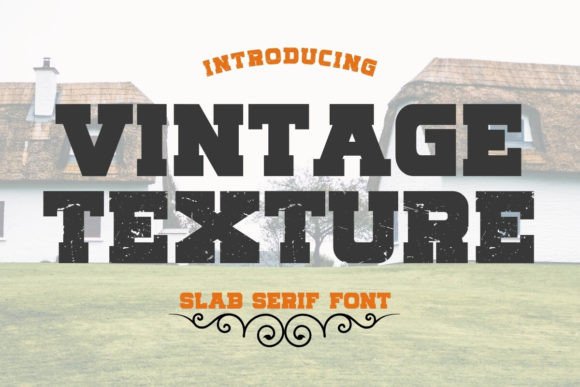
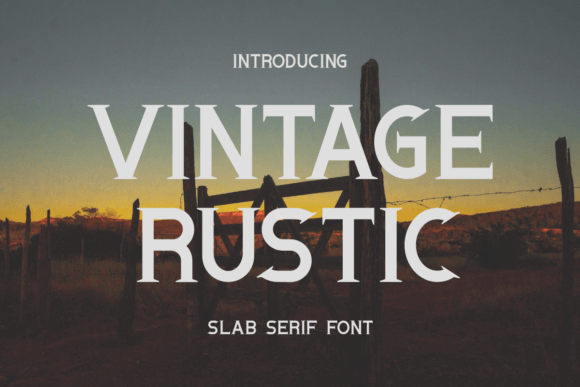
Vintage Rustic is a font that blends the charm of bygone eras with a modern, versatile design. Characterized by its elegant yet sporty appearance, it captures the essence of vintage aesthetics while maintaining a clean, readable structure. This unique combination makes it an excellent choice for creators, entrepreneurs, marketers, and hobbyists looking to add a distinctive visual flair to their work. Whether you're designing t-shirts, hoodies, mugs, greeting cards, or even jerseys, Vintage Rustic can elevate your project from ordinary to memorable.
Understanding the Role of Vintage Rustic in Design Workflows
Incorporating Vintage Rustic into your design workflow begins with understanding where it fits best. This font is not just a stylistic choice—it's a functional tool that contributes to brand identity, product appeal, and audience engagement. Its versatility allows it to be used across different media and formats, making it a valuable asset for both personal and professional creative endeavors.
Before diving into a project, consider how Vintage Rustic aligns with your overall theme or message. For instance, if you're creating a line of vintage-inspired apparel or promotional materials for a retro-themed event, this font can help reinforce the desired aesthetic. It works particularly well when paired with distressed textures, sepia tones, or hand-drawn elements, which are common in rustic-style designs.
Pre-Project Considerations
When planning your project, start by selecting the right platform or software to use Vintage Rustic. Most graphic design tools like Adobe Photoshop, Illustrator, or free options such as Canva and GIMP support custom fonts. Ensure that you have the correct license for commercial use, especially if you plan to print products or distribute them online.
- License Verification: Always confirm whether the font is suitable for commercial applications before finalizing your project.
- Font Pairing: Test Vintage Rustic with complementary fonts to maintain readability and visual harmony. Sans-serif fonts often balance its ornate style effectively.
- Theme Alignment: Use the font in projects that benefit from a nostalgic, rugged, or classic look—think farmhouse decor, vintage posters, or sports memorabilia.
Implementing Vintage Rustic in Your Designs
Once you've decided to use Vintage Rustic, the next step is integrating it into your design process. The font’s character set includes bold strokes and subtle imperfections that mimic hand-lettering, giving it a natural and authentic feel. Here’s how you can make the most of it during various stages of your project:
Design Phase
During the initial design phase, experiment with Vintage Rustic in mockups and drafts. Try layering it over background images or textures that enhance its rustic appeal. You might also want to adjust the spacing between characters (kerning) to ensure it looks balanced and visually appealing on the chosen medium.
- Set the tone: Choose colors that complement the font—warm earth tones, muted blues, or black-and-white schemes tend to work well.
- Test at scale: Preview the font on full-size mockups to see how it performs under different lighting conditions and material finishes.
- Consider legibility: While Vintage Rustic has a decorative edge, avoid using it for small text sizes where clarity is crucial.
Production Integration
During production, especially for printed goods like t-shirts or mugs, compatibility becomes key. Confirm that the font renders correctly across all platforms and devices involved in the printing process. Some printers may require specific file formats or embedded fonts to prevent display issues.
If you’re working with a team or outsourcing parts of your project, communicate clearly about the font usage. Share the font files securely or provide web links to the font if it's hosted online. Consistency in typography ensures that your brand or product maintains a cohesive look throughout all deliverables.
Post-Implementation: Review and Refinement
After completing your design and moving into production, take time to review the final output. How does Vintage Rustic perform in real-world settings? Is it legible from a distance on a hoodie, or does it stand out enough on a mug against a busy pattern?
Gather feedback from test audiences or stakeholders. If the font doesn’t quite hit the mark, don’t hesitate to tweak the layout or switch to a similar alternative. Remember, the goal is to create something that resonates with your target demographic and meets practical needs, such as readability and durability.
Long-Term Use and Branding
Vintage Rustic can become a signature element of your brand or product line. Think about how you can consistently apply it across different touchpoints. From social media graphics to packaging and signage, using the same font helps build recognition and trust among customers.
However, it’s important to strike a balance. Overuse of any single font—even one as stylish as Vintage Rustic—can lead to visual fatigue. Reserve it for headlines, logos, and other high-impact areas, while using simpler fonts for body text or supporting details. This approach keeps your designs fresh and easy to read.
Use Cases for Vintage Rustic
Vintage Rustic is more than just a pretty font; it serves specific purposes in a variety of contexts. Below are some practical use cases where it can shine:
- T-shirt and Apparel Design: Ideal for vintage-themed collections, local sports teams, or artisanal brands. Its bold yet refined look stands out on fabric without overwhelming the viewer.
- Hoodies and Sweatshirts: The font’s size and weight make it perfect for large-format printing on hoodies, especially when paired with minimalist layouts.
- Mugs and Drinkware: Adds a nostalgic charm to personalized mugs, coffee cups, or branded merchandise. Combine it with simple illustrations or quotes for a cohesive design.
- Greeting Cards and Stationery: Brings warmth and personality to holiday cards, thank-you notes, or event invitations. It pairs well with handwritten scripts or cursive fonts for layered effects.
- Jerseys and Sports Gear: Offers a sporty, rugged feel that appeals to fans and athletes alike. Great for team names, sponsor logos, or motivational phrases.
- Quotes and Printables: Enhances inspirational quotes, printable art, or educational materials. Its timeless look gives digital content a tactile, handcrafted feel.
Workflow Example: Designing a T-shirt Line
Let’s walk through a real-world example of using Vintage Rustic in a design workflow. Suppose you're launching a new line of vintage-themed t-shirts:
- Concept Development: Decide on the theme (e.g., 1950s diner, old-time baseball) and determine how Vintage Rustic will fit into the visual narrative.
- Mockup Creation: Use the font in your digital mockups. Experiment with placement, color contrast, and sizing to find what looks best.
- Prototyping: Print a sample shirt and assess how the font appears in person. Adjust the design if needed based on texture, lighting, or wearability.
- Finalization: Once satisfied, finalize the design and prepare files for bulk printing. Make sure the font is properly embedded or converted to outlines.
- Marketing Materials: Apply the same font to your promotional assets—social media posts, email headers, and packaging—to maintain brand consistency.
Combining Vintage Rustic with Other Tools and Resources
To maximize the effectiveness of Vintage Rustic, pair it with other design tools and resources that enhance its impact. Consider using image editors to add weathered textures or overlays, which can intensify the vintage feel. Online marketplaces like Etsy or Shopify allow you to upload your finished designs and sell them directly to consumers who appreciate handmade and retro styles.
Collaboration tools like Figma or Adobe XD enable you to share your designs with clients or teammates for feedback. These platforms also let you store and organize multiple versions of your work, ensuring that changes to the font or layout are tracked efficiently.
Usability Tips Across Platforms
Here are a few tips to help you use Vintage Rustic effectively across different platforms:
- Adobe Suite: Use layers to separate text from background elements, making edits easier later on.
- Canva: Take advantage of pre-built templates to quickly incorporate the font into marketing materials or social media graphics.
- Print-on-Demand Services: When uploading to sites like Printful or Teespring, always convert text to outlines or vector paths to avoid rendering errors.
- Web Applications: If embedding the font on a website or app, ensure cross-browser compatibility and optimize loading times with font subsets or caching techniques.
Quality Control and Consistency
Maintaining quality control is essential when using Vintage Rustic in multiple projects. Inconsistencies in font application can confuse audiences and dilute your brand message. Establish clear guidelines for when and how the font should be used, including preferred weights, sizes, and color variations.
Also, keep track of font updates or variations. Some designers release updated versions or alternate styles of their typefaces. Staying current ensures your designs remain fresh and aligned with evolving trends while still preserving the original charm of Vintage Rustic.
Organizational Strategies
For long-term projects or businesses that frequently use the font, consider organizing your font files in a dedicated folder within your design library. Name each file clearly to reflect its intended use case—such as "Vintage_Rustic_Header" or "Vintage_Rustic_Logo"—to streamline your workflow and reduce confusion.
If you're managing a team, document the font’s role in your style guide. Include examples of correct and incorrect usage, along with technical specifications like PPI (pixels per inch) for print jobs or resolution settings for digital displays.
Efficiency and Practical Application
While Vintage Rustic adds a premium feel to your work, it shouldn't slow down your design process. To stay efficient, build reusable templates that already include the font in commonly used sizes and positions. This saves time when creating new items and reduces the risk of formatting inconsistencies.
Automate repetitive tasks by using design systems or plugins that apply consistent typography across multiple assets. For instance, in Adobe Illustrator, you can save custom text styles to quickly apply Vintage Rustic to various elements with a single click.
Observations and Best Practices
- Subtle Details Matter: The slight imperfections in Vintage Rustic contribute to its authenticity. Avoid over-editing or distorting the font unnaturally.
- Contrast is Key: Use high-contrast color combinations to ensure the font remains legible and impactful.
- Stay Organized: Keep a backup of the font file and note its source for future reference or licensing renewals.
- Experiment Responsibly: Try different alignments, spacing, and effects, but always prioritize readability and usability.
Conclusion: Making the Most of Vintage Rustic
Vintage Rustic is a powerful tool in the hands of those who understand how to integrate it thoughtfully into their workflows. By considering its role before, during, and after a project, you can leverage its elegance and sporty charm to create compelling, high-quality designs. Whether you're crafting a vintage-themed greeting card or branding a new line of athletic wear, this font offers the flexibility and character needed to stand out in today’s competitive market.
As you continue to explore its potential, remember that the best results come from combining creativity with practical execution. Let Vintage Rustic enhance your vision without overshadowing it, and you’ll find it to be a reliable and stylish addition to your design toolkit.